


Mi tienda
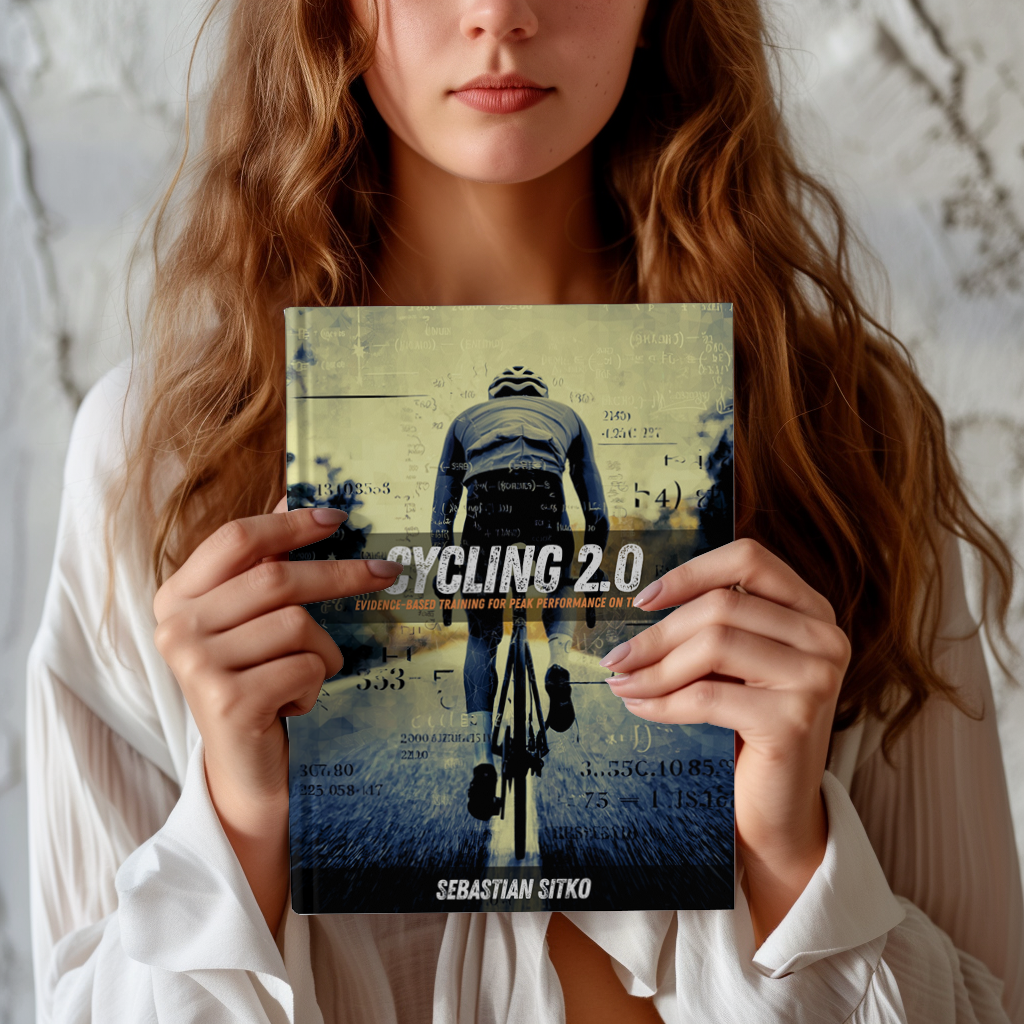
Cycling 2.0: Evidence-based training for peak performance on the bike
Cycling 2.0: Evidence-based training for peak performance on the bike
Couldn't load pickup availability
After surpassing 2,000 copies sold in its Spanish edition, Cycling 2.0 now arrives stronger than ever.
Cycling 2.0 emerges from more than a decade of coaching nearly two hundred cyclists — a background that merges seamlessly in this work with a synthesis of the most recent and relevant scientific literature on cycling and its various disciplines.
Peer-reviewed following the most rigorous scientific standards, this book offers a journey through 32 chapters, 70 tables and figures, and nearly 200 studies, providing cyclists, coaches, and researchers with the best evidence-based recommendations to elevate both performance and health to a new level.
319 pages, hardcover, full color.
Share


Ok
J’ai trouvé Cyclisme 2.0 intéressant parce qu’il ne donne pas simplement des plans d’entraînement tout faits. Il y a des passages un peu techniques, parfois même un peu exigeants, mais on sent que l’auteur essaie vraiment d’expliquer les choses plutôt que de simplifier à l’excès.
Ce que j’ai surtout retenu, c’est l’idée qu’il faut regarder au-delà du FTP et des zones classiques. La partie sur la fatigue et la capacité à répéter les efforts m’a parlé, surtout pour les cyclosportives longues. Ce n’est pas un livre que je lirais d’une traite, mais j’y reviendrai sûrement.
Ho letto Ciclismo 2.0 un po’ alla volta, soprattutto nei giorni di recupero. Non è il classico libro motivazionale sul ciclismo, e forse proprio per questo mi è piaciuto. A volte è abbastanza tecnico, ma si vede che dietro c’è un lavoro serio.
Mi è piaciuta molto la parte sulla gestione della fatica e sul fatto che non tutti i numeri del misuratore di potenza vanno interpretati in modo rigido. Alcuni capitoli li ho trovati più utili di altri, ma nel complesso è un libro che consiglierei a chi si allena con metodo.
This one is the most useful cycling training book I have read. It bridges the gap between scientific evidence and real-world training in a very clear way. Instead of offering generic advice, it explains why certain methods work, when they should be used, and how cyclists can adapt them to their own goals.
I especially enjoyed the sections on FTP, training zones, durability, and race-specific preparation. The book makes you think beyond simple numbers and helps you understand performance as something much more complex and dynamic.
Nice summary of current evidence. Doesn’t provide a recipe but rather inspires you to prepare yourself a nice one by providing the ingredients.